Aluminium profiles and sections are used in everything from doors and windows to office partitions, furniture, commercial buildings and industrial fabrication. Their versatility makes them a popular choice for projects that require practical, lightweight and durable materials.
However, choosing the right aluminium product involves more than selecting a shape or size. Dimensions, material specifications, finish, application and availability all play an important role.
If you are searching for an aluminium profile supplier in Delhi, understanding the different types of profiles and sections available can help you make a better purchasing decision.
At Kohli Aluminium, customers can explore aluminium product solutions for different applications. Whether you are a builder, contractor, architect, fabricator or manufacturer, identifying your requirements is the first step towards finding a suitable product.
What Are Aluminium Profiles and Sections?
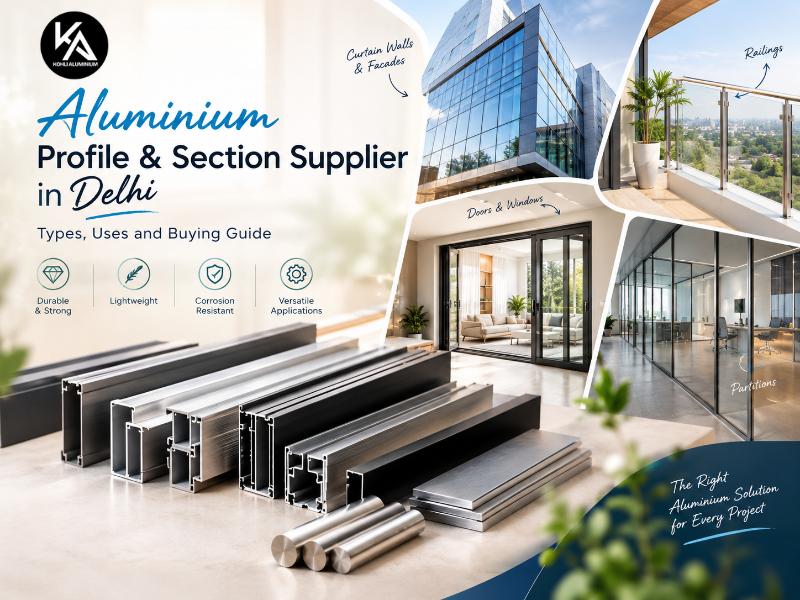
Aluminium profiles are shapes manufactured by processing aluminium into specific cross-sectional designs, commonly through extrusion. They are available in different configurations to suit construction, interior design, manufacturing and engineering requirements.
Common examples include channels, angles, square and rectangular sections, door sections and specialised extruded profiles.
Aluminium sections are valued for their lightweight nature, corrosion resistance and ease of fabrication. Depending on the alloy, design and specifications, they can be used in a wide range of residential, commercial and industrial applications.
When selecting an aluminium profile, consider the intended use, dimensions, wall thickness, alloy, finish and compatibility with other components.
Types of Aluminium Profiles and Sections Available
1. Aluminium Door Sections
Aluminium door sections are used to manufacture door frames and related components for homes, offices, showrooms and commercial buildings. Depending on the profile design, they may be suitable for hinged doors, sliding doors and other door systems.
If you are looking for a Jindal aluminium door section in Delhi, confirm the exact profile, dimensions, finish and availability before placing an order.
The right section should match the door design and its intended usage. Hardware compatibility, installation requirements and the expected level of use should also be considered.
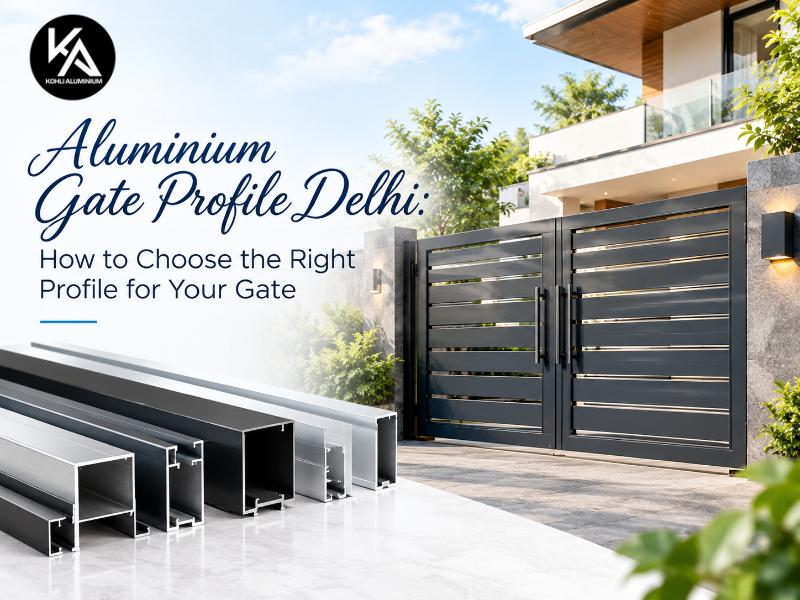
For projects involving gate fabrication, you can also explore the aluminium gate profile range for relevant product information.
2. Aluminium Flats
Aluminium flats are flat-shaped aluminium products used in fabrication, engineering, manufacturing and various industrial applications.
They are available in different widths and thicknesses to suit different requirements. Depending on the application, they may be used for brackets, supports, fabricated components and other assemblies.
Before purchasing aluminium flats, confirm the required dimensions, material grade, quantity and finish. These details help ensure that the material is suitable for the intended application.
3. Aluminium Rods
Aluminium rods are solid cylindrical products commonly used in machining, engineering, manufacturing and fabrication.
They can be selected according to diameter, length, alloy and the type of operation involved. For example, a rod intended for machining may have different material requirements from one used for general fabrication.
When sourcing aluminium rods, share your specifications with the supplier so that the available options can be evaluated against your requirements.
4. Standard and Specialised Aluminium Profiles
Aluminium profiles come in a wide variety of shapes, including channels, angles, square sections, rectangular sections and specialised extrusions.
Standard profiles are useful when an existing shape meets the project's requirements. Specialised profiles may be needed for applications involving particular dimensions, designs or assembly methods.
These products can be used in door and window systems, furniture, partitions, display units, architectural structures and industrial equipment.
For custom extrusion requirements, additional considerations may include engineering drawings, tooling, minimum production quantities and manufacturing lead times.
Why Choose the Right Aluminium Section Supplier in Delhi?
Delhi has a diverse market for aluminium products, serving individual fabricators, contractors, builders, manufacturers and commercial businesses. Choosing a suitable supplier can help simplify the sourcing process and reduce the risk of ordering materials that do not match your requirements.
Here are some factors to consider when comparing suppliers.
Product Variety
Look for a supplier who can help you source the types of aluminium profiles, sections and stock materials relevant to your project. Having clear product specifications makes it easier to identify suitable options.
Material Specifications
Dimensions, wall thickness, alloy and temper can affect the suitability of an aluminium product for a particular application. Confirm these details before ordering, especially when you need consistency across multiple batches.
Finish and Appearance
Depending on the intended use, you may require mill-finished, anodised or powder-coated aluminium. Confirm which finishes are available and whether they meet your design and environmental requirements.
Availability and Order Quantity
Check stock availability, minimum order quantities and delivery timelines before finalising your purchase. If you require a specific Jindal aluminium door section or a specialised profile, provide the relevant reference or drawing where possible.
Product Guidance and Communication
A supplier should be able to clarify product specifications, available options and quotation details. Clearly communicating the application, dimensions and quantity can make the enquiry process more efficient.
If you are comparing suppliers, you can visit Kohli Aluminium to learn more about the company and its aluminium product offerings.
Applications of Aluminium Profiles and Sections
Aluminium profiles are used across several industries because they can be manufactured in different shapes and incorporated into a variety of assemblies.
Construction and Architecture
Aluminium sections are used in door and window systems, architectural structures, selected facade applications and other building components. The appropriate profile depends on the system design and its technical requirements.
Interior Design and Office Spaces
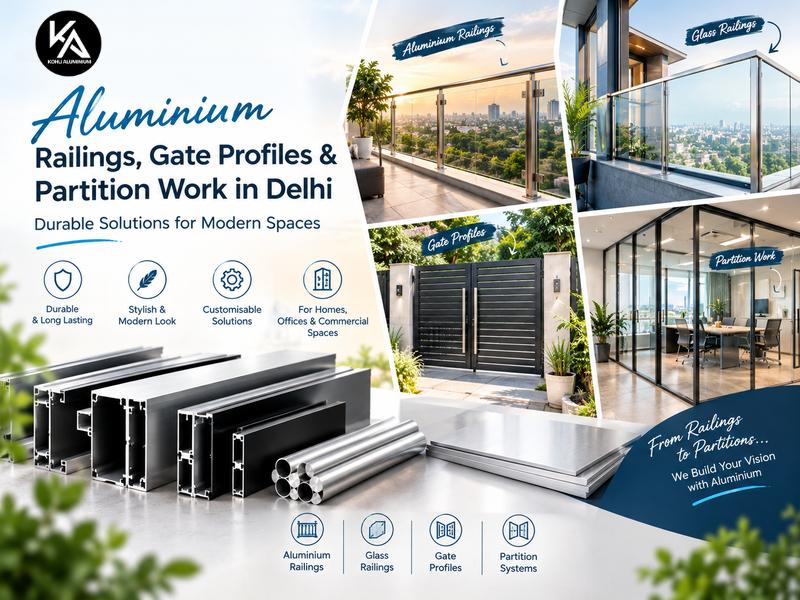
Aluminium profiles may be used in furniture, display units, office cabins and partition systems. They can help create clean, functional designs while accommodating different layout requirements.
For projects that involve gates or related architectural components, the aluminium gate profile page is another relevant resource to explore.
Industrial Fabrication
Aluminium flats, rods, channels and other sections are used in manufacturing, machining, equipment frames, supports and fabricated components. Selection should be based on the required dimensions, material properties and operating conditions.
Commercial Applications
Shops, offices, showrooms and other commercial spaces may use aluminium profiles for fixtures, display structures, doors, partitions and selected architectural features.
For load-bearing or safety-critical applications, always confirm the product specifications and consult a qualified professional where required.
Aluminium Flats, Rods and Sections: What Should You Check Before Buying?
Before purchasing aluminium materials, take a few minutes to confirm the following details.
- Application: Decide whether the material is intended for construction, interior work, machining or fabrication.
- Dimensions: Confirm the required length, width, diameter, cross-section and thickness, as applicable.
- Material grade: Check the alloy and temper requirements for the intended use.
- Finish: Identify whether a particular surface finish is necessary.
- Quantity: Estimate your total requirement and confirm available stock or minimum order quantities.
- Budget and delivery: Compare quotations, lead times and delivery arrangements alongside product specifications.
These checks can help you compare products more effectively and reduce avoidable purchasing mistakes.
Why Consider Kohli Aluminium?
Kohli Aluminium has been involved in aluminium sourcing, supply and distribution since 1994. The company serves customers across industries, including construction, transport, electrical applications, food and beverage, and other sectors.
Different projects require different aluminium products, specifications and quantities. Having a clear understanding of your requirements helps you discuss the available options more effectively.
Whether you are sourcing sections for fabrication or looking for aluminium materials for a commercial project, begin by identifying the profile type, dimensions, finish and intended application.
Visit the Kohli Aluminium website to learn more about the company. For product enquiries, availability and quotations, you can also contact the Kohli Aluminium team.
Frequently Asked Questions
1. How do I find an aluminium profile supplier in Delhi?
Start by identifying the profile type, dimensions and intended application. Compare suppliers based on product availability, material specifications, finish options, pricing and delivery arrangements. Providing clear requirements can help you obtain a more relevant quotation.
2. What is the difference between aluminium profiles and sections?
The terms are often used interchangeably in the aluminium trade. Both can refer to aluminium shapes such as channels, angles, door sections and other extruded profiles. The exact specifications determine whether a product is suitable for a particular application.
3. What are aluminium sections used for?
Aluminium sections are used in doors, windows, partitions, furniture, fabrication, architectural structures and industrial equipment. The suitable section depends on its shape, dimensions, material properties and intended purpose.
4. Where can I find a Jindal aluminium door section in Delhi?
Contact an aluminium supplier with the required door profile reference, catalogue details or technical drawing. Confirm the brand, dimensions, finish and availability before ordering. Any claim of authorised dealership should also be verified.
5. What are aluminium flats used for?
Aluminium flats are used in fabrication, engineering, manufacturing and various industrial applications. The required width, thickness, alloy and finish depend on the project.
6. What are aluminium rods used for?
Aluminium rods are commonly used in machining, engineering, manufacturing and fabrication. Their selection depends on diameter, length, alloy and the intended operation.
7. How do I choose the right aluminium section supplier in Delhi?
Compare product availability, specification support, finish options, quotation clarity, order quantities and delivery arrangements. For specialised applications, make sure the material meets the relevant technical requirements.
8. Can aluminium profiles be customised?
Yes. Custom aluminium extrusions can be manufactured for specific applications. However, they may require engineering drawings, die tooling, minimum production quantities and additional lead time. Confirm feasibility and costs before proceeding.
Conclusion
Finding the right aluminium profile or section starts with understanding your project's requirements. From door sections and specialised extrusions to aluminium flats and rods, each product has different characteristics and applications.
If you are looking for an aluminium profile supplier in Delhi, compare the available products, confirm the specifications and choose materials that meet your project's needs.
Kohli Aluminium has been serving aluminium sourcing and supply requirements since 1994. Visit kohlialuminium.com to explore the company’s offerings or contact the team to discuss your requirements.